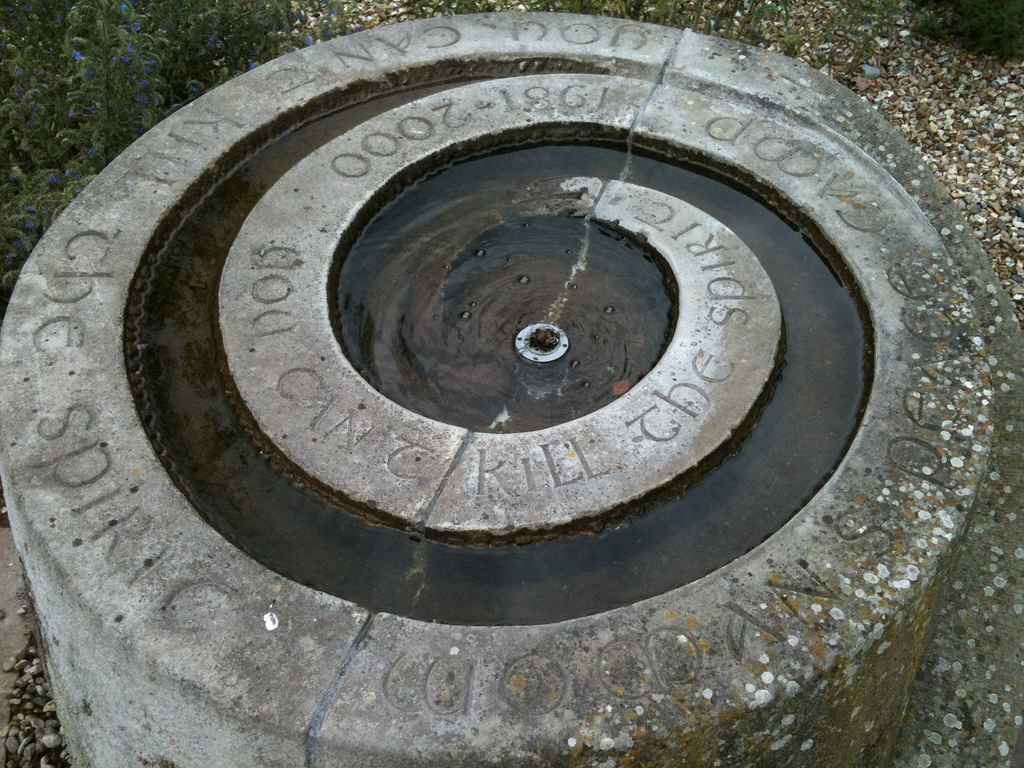
This week’s lecture will explore changes in gender, identity and family
values in the 1980s.
Thatcherism promoted the idea of a
return to traditional family values. What were these values and when were they
traditional? We can see this played out in campaigns to stop local governments
‘promoting homosexuality’ through Clause 28, David Alton’s attempt to decrease
the length of time available before a pregnant woman can legally terminate a
pregnancy and through Victoria Gillick’s successful campaign to stop GP’s
proscribing contraception to girls under the age of 16. Meanwhile feminists
were attempting to repoliticise gender on their own terms.
The role of women in the peace movement at Greenham Common allows us
to see how traditional roles are being both contested and reinforced in gender
politics.
Some questions to think about before the lecture
resource | html
How were gender roles reinforced and challenged in Thatcher's Britain?
What is the relationship between feminism and the peace movement?
What were 'family values' and were they traditional?
Three of our voices from the British Library Oral
History collection describe their experiences at Greenham Peace Camp.
Sue King describes how she came to the camp
(20.25-24:20) and some of the day to day emotionality of
life there (24.20- 26.59). She outlines tensions around
sexuality (27:20-30:50) and inter-gate relations
(07.17-10.00). She outlines the legal ramifications of her
activism (36.43-46.44) and the role of undercover
journalists at the camp (0.00-03.57). She also discusses how women interpreted the politics of their activities (note framing of the
question and of the response) (05.32- 7.07)
There are some useful comparison's to be made
with Oonagh Marron'sexperiences in the Belfast Women's Group
and Women against Imperialism.
Cheryl Slack outlines why she went to Greenham and the Embrace the Base demo (31:04 -
37.00) and her move to Greenham
(36:59-39:00) She also outlines daily life and policing at
Greenham. (39:00-47:03) Cheryl differentiates between the
gates (00.08- 3.46)(beginning-03:50), daily life and
organisation and the law at the Common, (03.46- 9.20), and issues around the imprisonment of protesting women. (10:44-13:00).
You
might want to put these testimonies in context using Harford, Barbara and Sarah Hopkins (eds) Greenham
Common: Women at the Wire Reserve / JD 1650 UK (Gre) chapters 2, 4, 14
.
You might also be interested to see
this publication by Sussex University's branch of CND.
Popular
music, particularly informed by punk, was stretching the boundaries of
mainstream representation of sex and challenging Conservative 'victorian
values'.
Chumbawamba produced a double A-side response to both
Clause 28 and the Alton Bill.
Frankie Goes To Hollywoods' track 'Relax' led Radio 1 DJ Mike Reid to
refuse to play it on air.