This lecture
will explore why the Conservative government was associated with the
re-emergence of mass unemployment, peaking in 1986 at over 3.5 million. The
unions argued that Britain must never return to the unemployment and poverty of
the inter-war years, under the slogan Never the thirties again. We will explore
the different ways in which unemployment was constructed and measured during
the 1980s.
Questions to think about before the lecture
resource | html
What were the causes and effects of
unemployment under Thatcherism?
How has unemployment been measured and how does that relate
to how unemployment has been experienced?
How appropriate were the images of the
1930s to explain this particular form of unemployment?
Louise Hale describes
the impact of her father's redundancy on the family
(05:20-08.50)
There were lots of cultural representations of
unemployment and its impact in the 1980s. Bleasdale's drama Boys From
the Blackstuff for BBC brought popularised a new language of unemployment
and a new anti-hero Yosser Hughes.
Radio 4 brought together the cast and crew of the series for The
Reunion (available through subscription to Box of Broadcasts)
In
popular music musicians like The Specials summed up the impact of deep regional
unemployment
Whilst Wham!
suggested the cultural shifts and changes in aspiration caused by youth
unemployment.
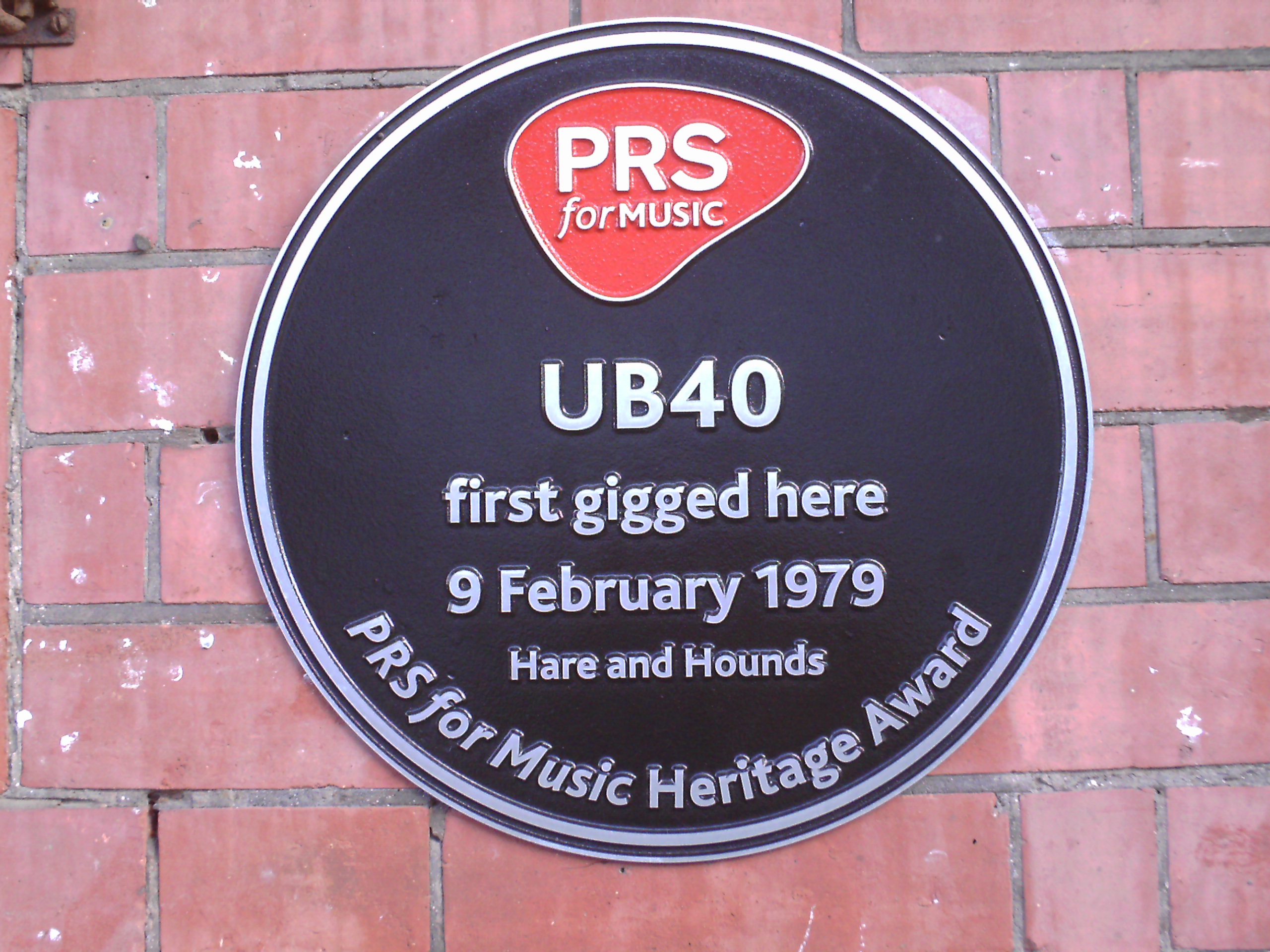
and UB40 (the name of
the band itself was taken from the forms to register as unemployed) catalogued
and 'counted' unemployment.